
Technological Solutions to Food Security Challenges in 2026
Food Security at a Turning Point
By 2026, food security has moved from a largely regional development concern to a core strategic priority for governments, investors, and corporations worldwide. The convergence of climate volatility, geopolitical fragmentation, demographic pressure, and shifting consumer expectations has made reliable access to affordable, nutritious food a defining challenge of this decade. For the global business community that follows BizFactsDaily, food security is no longer a purely humanitarian issue; it is an operational, financial, and reputational risk that touches supply chains, capital markets, technology roadmaps, and regulatory strategy across all major economies.
The Food and Agriculture Organization of the United Nations (FAO) estimates that hundreds of millions of people remain undernourished, while climate-related disruptions threaten yields in critical breadbasket regions spanning North America, Europe, Asia, and Africa. Rising input costs, supply chain shocks, and energy market volatility have further exposed the fragility of the global food system. At the same time, urbanization, income growth, and changing dietary patterns in countries such as the United States, India, China, Brazil, and across Southeast Asia are driving demand for higher-value food products and more resilient logistics networks. Businesses seeking to understand the macroeconomic implications of these shifts increasingly turn to resources such as the World Bank's food security updates and complement them with deeper analysis of the global economy from platforms like BizFactsDaily.
Within this context, technology has emerged as both a catalyst and a differentiator. From artificial intelligence and robotics to biotechnology, fintech, and digital supply chains, a new generation of solutions is reshaping how food is produced, transported, financed, and consumed. The organizations that can combine technological innovation with operational expertise, robust governance, and cross-border collaboration are increasingly seen as leaders in a rapidly evolving ecosystem. For decision-makers who regularly consume insights on business strategy and transformation, understanding the technological dimensions of food security is now a core competency rather than a niche interest.
The Strategic Role of Data, AI, and Automation
The most profound shift in food systems over the past five years has been the transition from intuition-driven to data-driven decision-making, enabled by advances in artificial intelligence (AI), satellite imagery, Internet of Things (IoT) devices, and advanced analytics. Governments, agribusinesses, retailers, and financial institutions are increasingly leveraging predictive models to anticipate crop yields, optimize resource use, and reduce waste along the value chain. Readers of BizFactsDaily who follow developments in artificial intelligence will recognize that food and agriculture have become one of AI's most consequential real-world arenas.
Organizations such as Microsoft, Google, and IBM have invested heavily in AI-driven agriculture platforms that integrate remote sensing, weather data, soil analysis, and market signals to support more precise and sustainable decision-making on farms of all sizes. Initiatives highlighted by the World Economic Forum underscore how AI is helping to improve yield forecasting, pest detection, and climate risk modeling across regions ranging from the United States and Canada to India and sub-Saharan Africa. For executives seeking to understand how technology can underpin more resilient supply chains, it is increasingly valuable to learn more about AI's role in sustainable business practices, including its application to food systems and climate adaptation.
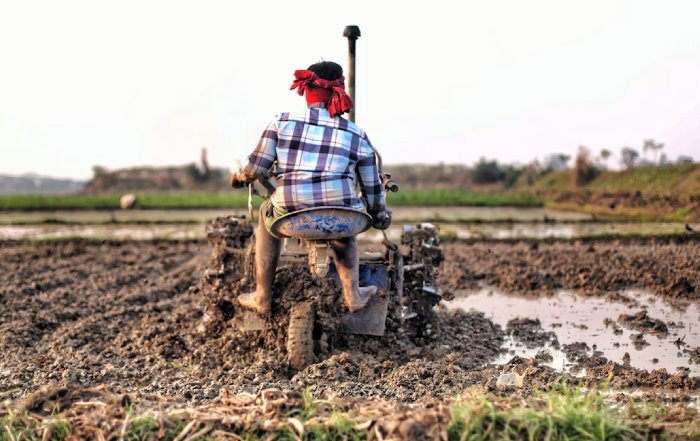
Automation has also moved from experimental pilots to scaled deployment. Robotics companies and agritech startups are deploying autonomous tractors, robotic harvesters, and precision sprayers capable of operating in fields and greenhouses across the United States, Germany, the Netherlands, and Australia. These technologies address chronic labor shortages, particularly in high-income economies where agricultural workforces are aging and tightening immigration policies have constrained seasonal labor flows. At the same time, automation is reshaping employment patterns, creating demand for higher-skilled roles in equipment maintenance, data analysis, and agronomic advisory services. For business leaders monitoring shifts in labor markets and workforce planning, the intersection of agri-automation and employment trends has become a critical area of strategic focus.
Precision Agriculture and the Future of Farm Productivity
Precision agriculture, once a niche concept, has become a mainstream pillar of modern farming strategy in 2026. Enabled by GPS-guided machinery, drone-based imaging, soil sensors, and cloud-based analytics, precision agriculture allows farmers to apply inputs such as water, fertilizer, and pesticides with far greater accuracy, thereby increasing yields while reducing environmental impact. In markets such as the United States, France, Germany, and Australia, large-scale farms have adopted variable-rate application technologies and field-level monitoring systems to an unprecedented degree, while smallholder farmers in countries like India, Kenya, and Brazil are increasingly accessing precision tools through cooperatives and digital platforms.
The United States Department of Agriculture (USDA) has documented how precision agriculture improves both productivity and resource efficiency, reinforcing its role as a key lever in national food security strategies. Businesses that operate in or supply the agricultural sector are closely tracking regulatory incentives, financing mechanisms, and sustainability standards that encourage adoption of these tools. Executives and investors who want to explore how precision farming reshapes land use, water management, and climate resilience can review USDA analysis and policy materials to better understand emerging compliance and opportunity landscapes.
For the global readership of BizFactsDaily, precision agriculture is also deeply connected to technological innovation and capital allocation. Agritech startups in hubs such as Silicon Valley, Berlin, Tel Aviv, Singapore, and Melbourne are attracting significant venture and growth equity funding for platforms that integrate AI, robotics, and sensors with agronomic know-how. As investors evaluate these opportunities, they increasingly rely on specialized insights into innovation trends and sector-specific investment dynamics, recognizing that precision agriculture sits at the intersection of climate technology, digital infrastructure, and food system resilience.
Controlled Environment Agriculture and Urban Food Systems
While precision agriculture optimizes open-field production, controlled environment agriculture (CEA) is redefining how and where food can be grown. Greenhouses, vertical farms, and container-based systems are proliferating in and around urban centers in the United States, the United Kingdom, the Netherlands, Singapore, Japan, and the United Arab Emirates, among others. These facilities leverage LED lighting, climate control, hydroponics, and automation to produce leafy greens, herbs, and increasingly a wider range of crops in close proximity to consumers, thereby reducing transportation distances, post-harvest losses, and vulnerability to weather extremes.
Organizations such as AeroFarms, Plenty, and Infarm have become prominent in this space, partnering with major retailers and foodservice providers to integrate CEA products into mainstream supply chains. In parallel, city governments and urban planners are exploring how CEA can contribute to resilience strategies, particularly in regions exposed to import dependencies or climate-related disruptions. The United Nations Human Settlements Programme (UN-Habitat) has emphasized the importance of urban agriculture and innovative food logistics in supporting sustainable cities, highlighting how these models can complement traditional rural production. Decision-makers interested in the urban dimension of food security can explore UN-Habitat's work on sustainable cities and food systems to better understand planning and policy implications.
For the audience of BizFactsDaily, which spans global business, finance, and technology communities, CEA represents a convergence of property technology, clean energy, and advanced manufacturing. Vertical farms and high-tech greenhouses are capital-intensive infrastructure assets, often supported by complex financing structures that draw on both traditional banking relationships and innovative funding models. As institutions evaluate these projects, they are increasingly integrating them into broader sustainability and climate strategies, aligning with the growing corporate emphasis on sustainable business models and reporting.
Biotechnology, Alternative Proteins, and Nutrition Security
Beyond improving how crops are grown, biotechnology and food science are transforming what is grown and consumed. Advances in gene editing, molecular breeding, and microbial fermentation are enabling the development of crop varieties that are more tolerant to drought, heat, salinity, and disease, thereby supporting resilience in regions facing acute climate stress. Gene editing technologies have been deployed by organizations such as Corteva Agriscience, Bayer, and numerous research institutions to accelerate the creation of climate-smart seeds that can maintain yields under increasingly volatile conditions.
At the same time, alternative proteins have moved from fringe experimentation to mainstream market segments across North America, Europe, and parts of Asia. Plant-based meat and dairy alternatives, precision-fermented ingredients, and cultivated meat are being commercialized by companies such as Beyond Meat, Impossible Foods, Oatly, and a growing ecosystem of startups in the United States, Israel, Singapore, the Netherlands, and China. These products are positioned as tools to reduce pressure on land, water, and emissions-intensive livestock systems, while expanding access to protein in rapidly urbanizing regions. For executives and policymakers interested in the broader implications, the OECD provides valuable analysis on how biotechnology and alternative proteins intersect with sustainability, trade, and food security, and readers may review OECD perspectives on biotechnology and food systems to inform long-term strategy.
Nutrition security has emerged as an equally important dimension of the debate. It is no longer sufficient to focus solely on caloric availability; policymakers, investors, and corporate leaders are increasingly concerned with micronutrient adequacy and diet-related health outcomes. Organizations such as the World Health Organization (WHO) and the Global Alliance for Improved Nutrition (GAIN) emphasize the importance of diversified diets, fortification, and biofortified crops. For businesses operating at the intersection of food, healthcare, and consumer goods, understanding these dynamics is essential to aligning product portfolios with public health priorities. Readers who track broader global business and policy trends through BizFactsDaily can see how nutrition security is becoming a key metric in ESG frameworks and impact investment strategies.
Digital Supply Chains, Blockchain, and Food Traceability
The COVID-19 pandemic and subsequent geopolitical disruptions exposed significant vulnerabilities in global food supply chains, from port congestion and container shortages to export restrictions and sudden shifts in demand. In response, companies across the food value chain have accelerated investment in digital supply chain technologies that increase visibility, flexibility, and traceability. Enterprise resource planning systems, IoT-enabled logistics, and AI-driven demand forecasting are now central components of food system resilience strategies across the United States, Europe, and Asia.
Blockchain and distributed ledger technologies have found particularly compelling applications in food traceability and safety. Retailers, processors, and logistics providers have deployed blockchain-based platforms to track products from farm to shelf, enabling rapid identification of contamination sources and verification of sustainability or origin claims. IBM Food Trust and initiatives by Walmart, Carrefour, and other major retailers have demonstrated the value of immutable records in building consumer trust and regulatory compliance. For businesses seeking a deeper understanding of how digital trust mechanisms can enhance supply chain integrity, resources from the Food and Agriculture Organization (FAO) and other international bodies provide practical frameworks, and executives may wish to learn more about digital traceability and food systems as part of their risk management planning.
The intersection of blockchain, payments, and agricultural finance also resonates with readers of BizFactsDaily who follow crypto and digital asset developments and trends in banking and financial innovation. Smart contracts and tokenization are being piloted in contexts such as warehouse receipt financing, crop insurance payouts, and smallholder credit scoring, particularly in emerging markets across Africa, South Asia, and Latin America. While regulatory uncertainties remain, these technologies hold the potential to reduce transaction costs, improve transparency, and expand access to capital for producers who are otherwise underserved by traditional financial institutions.
Financing Food System Transformation
Technological innovation in food security does not scale without adequate and appropriately structured financing. Over the past five years, multilateral institutions, sovereign wealth funds, development finance institutions, commercial banks, and private investors have all begun to reframe food and agriculture as a strategic asset class with both financial and impact potential. The International Fund for Agricultural Development (IFAD) and other multilateral organizations have highlighted the critical role of inclusive, climate-resilient agricultural investment in achieving global development goals, and business leaders can explore IFAD's work on investing in rural transformation to understand evolving co-financing and partnership models.
In private markets, venture capital and growth equity have flowed into agritech, foodtech, and climate-smart infrastructure, though valuations and funding volumes have adjusted in response to broader macroeconomic conditions and risk perceptions. Institutional investors are increasingly integrating food system considerations into their ESG frameworks, recognizing that climate risk, biodiversity loss, and social stability are closely linked to agricultural practices and land use. For readers of BizFactsDaily who monitor stock markets and investment opportunities, listed agribusinesses, food companies, and technology providers are being evaluated not only on earnings and growth, but also on their contributions to resilience, sustainability, and food access.
Banks and insurers are also recalibrating their offerings. Climate-aligned lending, sustainability-linked loans, and parametric insurance products are being developed to support farmers and agribusinesses as they adopt new technologies and practices. In Europe, North America, and parts of Asia, regulatory frameworks are increasingly encouraging financial institutions to assess and disclose their exposure to climate and nature-related risks, which in turn influences their approach to agricultural portfolios. For executives and risk managers, the convergence of prudential regulation, sustainability reporting, and food system resilience is becoming an important theme in strategic planning, underscoring the value of monitoring financial sector and economic developments through trusted analysis.
Policy, Regulation, and Global Coordination
Technology alone cannot solve food security challenges; policy coherence, regulatory clarity, and international cooperation are equally critical. Governments across the United States, European Union, United Kingdom, Canada, Australia, and many emerging economies are updating agricultural, environmental, and trade policies to reflect both the risks and opportunities associated with new technologies. Regulatory decisions on gene editing, data governance, digital trade, and environmental standards can accelerate or constrain the deployment of innovative solutions across borders.
Global institutions such as the World Trade Organization (WTO), FAO, and World Food Programme (WFP) continue to play central roles in shaping norms and facilitating collaboration. At the same time, regional blocs and bilateral partnerships are increasingly important in harmonizing standards and enabling cross-border data, technology, and capital flows that underpin resilient food systems. Business leaders who operate across multiple jurisdictions must navigate diverse regulatory landscapes, making it essential to stay informed through credible sources such as the OECD, European Commission, and specialized industry associations. For those following global policy and business news via BizFactsDaily, the interplay between regulation and innovation in food systems is an area where early insight can translate into competitive advantage.
In lower-income countries and fragile contexts, policy frameworks must also address equity and inclusion, ensuring that technological solutions do not exacerbate existing inequalities. This includes designing digital platforms and financial instruments that are accessible to smallholder farmers, women, and marginalized communities, as well as investing in infrastructure, education, and extension services. The World Bank, African Development Bank, and regional development institutions emphasize that technology adoption must be accompanied by capacity building and institutional strengthening, especially in Africa, South Asia, and parts of Latin America where climate vulnerability and food insecurity are most acute. Business leaders and investors who engage with these markets increasingly recognize that long-term success depends on aligning commercial models with inclusive development goals.
Sustainability, Climate Resilience, and Corporate Strategy
Food security is inseparable from climate and environmental sustainability. Agriculture is both a victim and a driver of climate change, responsible for a substantial share of global greenhouse gas emissions, while also being highly exposed to temperature increases, changing rainfall patterns, and extreme weather events. As companies refine their climate strategies, they are increasingly recognizing that land use, supply chain emissions, and nature-related risks must be integrated into core business models, not treated as peripheral CSR issues.
The Intergovernmental Panel on Climate Change (IPCC) has underscored the importance of transforming food systems to meet global climate goals, highlighting measures such as sustainable intensification, agroforestry, regenerative agriculture, and reduced food loss and waste. Businesses across food production, retail, logistics, and finance are therefore investing in technologies and practices that reduce emissions, enhance soil health, and protect biodiversity. Executives looking to learn more about sustainable business practices and climate-resilient strategies can draw on IPCC reports and related analyses as they design long-term transition plans.
For the readers of BizFactsDaily, sustainability is increasingly understood as a source of innovation and competitive differentiation. Companies that embed climate resilience and resource efficiency into their operations and product offerings are better positioned to navigate regulatory changes, investor expectations, and consumer preferences. This is particularly evident in markets such as the European Union, the United Kingdom, and parts of Asia-Pacific, where sustainability-related disclosure and due diligence requirements are tightening. Insights from BizFactsDaily on technology trends, sustainable business innovation, and cross-border business developments help executives anticipate where policy, technology, and market forces are converging.
The Role of Leadership, Collaboration, and Trust
Ultimately, technological solutions to food security challenges depend on leadership, collaboration, and trust. The most effective initiatives bring together farmers, agribusinesses, technology providers, financiers, regulators, and civil society organizations in shared endeavors that balance commercial viability with long-term resilience and equity. This requires not only capital and expertise, but also governance structures that ensure transparency, accountability, and inclusion.
For founders and executives in agritech, foodtech, fintech, and sustainability-focused startups, building credibility with farmers, regulators, and investors is essential. The audience of BizFactsDaily, which includes entrepreneurs and executives who follow founder stories and leadership insights, understands that scaling technology in complex, regulated, and culturally diverse environments demands more than technical excellence; it requires deep engagement with local contexts, robust partnerships, and a commitment to measurable impact.
Trust is also shaped by communication. As consumers in the United States, Europe, Asia, and other regions become more aware of the environmental and social implications of their food choices, they increasingly demand transparency about origins, production practices, and nutritional attributes. Companies that can credibly demonstrate the benefits and safety of technologies such as gene editing, AI, and blockchain in food systems are more likely to secure social license and maintain brand equity. Platforms like BizFactsDaily, by curating data-driven, expert-informed analysis on topics such as AI, banking, crypto, employment, global markets, and sustainability, contribute to a more informed dialogue that supports responsible innovation.
Looking Ahead: Technology as an Enabler, Not a Panacea
As of 2026, the trajectory of technological innovation in food systems is unmistakably upward. AI, robotics, biotechnology, digital finance, and advanced manufacturing are reshaping how food is produced, distributed, and consumed across continents, from the United States and Canada to the United Kingdom, Germany, France, Italy, Spain, the Netherlands, Switzerland, China, Japan, South Korea, Singapore, the Nordics, and rapidly changing markets in Africa and Latin America. Yet technology is an enabler rather than a panacea. Without supportive policies, inclusive financing, robust institutions, and effective collaboration, even the most sophisticated tools will fail to deliver on their promise.
For the global business community that relies on BizFactsDaily for timely, authoritative insights, the imperative is clear. Food security must be treated as a strategic priority that intersects with core domains such as technology innovation, global economic trends, employment and skills, and investment strategy. By engaging proactively with technological solutions, aligning them with sustainable and inclusive business models, and participating in cross-sector coalitions, companies and investors can play a decisive role in building a more resilient, equitable, and prosperous global food system.
As the decade progresses, the organizations that combine experience in complex markets, expertise in emerging technologies, authoritativeness in their sectors, and trustworthiness in their governance will shape not only their own financial outcomes, but also the food security prospects of communities and economies worldwide. In that sense, the story of technological solutions to food security challenges is not just about innovation; it is about leadership, responsibility, and the long-term vision that defines successful enterprises in 2026 and beyond.
