
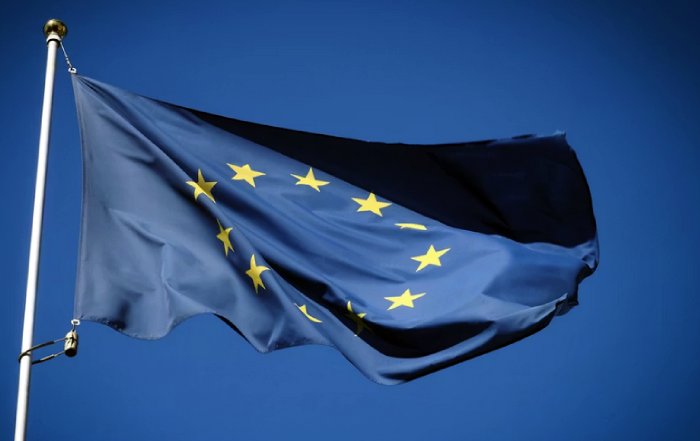
Cross-Border Investment Flows into European Tech: Momentum, Maturity and New Fault Lines
Europe's Tech Moments Revisited
Cross-border capital has become one of the defining forces reshaping Europe's technology landscape, turning what was once a fragmented collection of national ecosystems into an increasingly integrated innovation market that rivals North America and Asia in depth, sophistication and ambition. The evolution of cross-border investment into European tech is more than a capital markets story; it is a barometer of how Europe's economic model is adapting to a world in which digital capabilities, data governance and geopolitical resilience are as important as traditional industrial strength.
The years from 2020 to 2025 brought a boom, a correction and then a cautious resurgence in venture and growth capital, and European tech sat at the center of this cycle. Data from platforms such as Dealroom and analyses from Atomico show that, despite volatility, Europe's share of global venture funding has steadily increased, with a growing proportion coming from investors based outside the region. International funds from the United States, the Middle East and Asia have deepened their presence in hubs such as London, Berlin, Paris, Amsterdam, Stockholm and Barcelona, while pan-European investors have become more adept at syndicating cross-border deals within the continent.
For a publication like BizFactsDaily, which covers business, investment, stock markets and global economic dynamics, this shift matters because it signals a new phase in Europe's long project of turning regulatory strength and industrial heritage into digital competitiveness. Cross-border investment flows are both a cause and a consequence of this transformation, shaping everything from startup formation and founder mobility to employment, capital market development and Europe's role in the global technology race.
Structural Drivers Behind Cross-Border Capital
The surge in cross-border investment into European technology companies is not a random cycle but the outcome of several structural forces that have converged over the past decade and accelerated after the pandemic. The first driver is the maturation of Europe's startup ecosystems, which now produce repeat founders, experienced operators and globally competitive products across software, fintech, deep tech and climate technology. Reports from the European Commission highlight the growing density of high-growth firms, while research from the OECD on innovation indicators underscores the region's strength in scientific output and patent generation, particularly in areas such as industrial automation, clean energy and advanced materials.
The second driver is the search for diversification by global investors. As technology valuations in the United States and parts of Asia became increasingly concentrated, large institutional investors, sovereign wealth funds and corporate venture arms began to look for new geographies where they could gain exposure to digital growth without simply adding more of the same U.S.-centric risk. Europe, with its combination of stable legal systems, relatively predictable regulation and large consumer and industrial markets, emerged as a natural destination. International investors have been particularly drawn to European fintech, enterprise software and climate-focused ventures, which align with global themes such as financial inclusion, digital transformation and decarbonization.
A third structural driver is regulatory and policy evolution. The creation and expansion of the Capital Markets Union agenda, supported by institutions such as the European Investment Bank, has aimed to deepen capital markets and make cross-border financing easier within the European Union, thereby reducing the historic dependence on bank lending and encouraging equity investment. Simultaneously, initiatives like the EU's Digital Single Market strategy have sought to lower barriers for scaling digital businesses across borders, making European startups more attractive to foreign backers who want to see potential for continental or global reach rather than purely national plays.
For readers focused on the intersection of policy and markets, these dynamics connect directly to themes regularly covered on economy and technology at BizFactsDaily, where the interplay between regulation, innovation and investment is a recurring narrative. Cross-border capital is flowing not only because Europe is cheaper or less crowded, but because its policy architecture is slowly, sometimes painfully, aligning with the needs of high-growth digital businesses.
The Geography of Cross-Border Flows
From a geographic perspective, cross-border investment into European tech has taken on a distinctly multipolar character, with different regions playing complementary and sometimes competing roles. Investors from the United States continue to dominate late-stage and mega-round funding, particularly in sectors such as artificial intelligence, cloud infrastructure and enterprise SaaS, where U.S. funds bring not only capital but also deep operational expertise and access to North American markets. Analyses from platforms like Crunchbase and PitchBook show a consistent pattern of U.S.-led syndicates in large European deals, especially in the United Kingdom, Germany, France and the Nordics.
At the same time, capital from the Middle East, especially from Saudi Arabia, the United Arab Emirates and Qatar, has grown significantly, often via sovereign wealth funds and large family offices seeking exposure to long-term technology trends that align with national diversification strategies. These investors have been particularly active in infrastructure-intensive areas such as data centers, mobility, logistics and renewable energy platforms, where European companies can serve as both local partners and gateways to broader EMEA markets.
Asian investors, notably from Japan, South Korea, Singapore and China, have pursued a more selective strategy, often targeting specific niches such as semiconductor equipment, robotics, mobility technologies and gaming. Institutions like SoftBank and corporate venture arms of Asian conglomerates have supported European startups that complement their global portfolios, while state-affiliated funds have occasionally taken strategic stakes in deep tech ventures aligned with national industrial policies.
Within Europe itself, cross-border flows have intensified as well. Pan-European funds headquartered in London, Berlin, Paris and Amsterdam now routinely invest across the continent, while national champions such as Bpifrance, KfW Capital and British Patient Capital co-invest with private funds to support scaling companies. This intra-European capital movement is crucial because it helps overcome the historical fragmentation of markets and provides startups in smaller countries such as Finland, Denmark, Portugal or the Czech Republic with access to growth capital that might not be available domestically.
For global readers of BizFactsDaily, particularly in North America, Asia-Pacific and the Middle East, understanding these geographic patterns is essential to assessing where future deal flow will emerge and how cross-border syndicates may evolve. The geography of capital is increasingly intertwined with supply chain strategy, talent mobility and regulatory alignment, themes regularly explored in the platform's coverage of global and innovation trends.
Cross-Border Investment into
European Tech
Momentum, maturity and the new fault lines shaping capital flows across the continent
Sectoral Hotspots: From AI and Fintech to Climate Tech
The sectoral composition of cross-border investment into European tech has shifted over time, reflecting both global technology cycles and Europe's own comparative advantages. These days three broad clusters stand out: artificial intelligence and data infrastructure, financial innovation including banking and crypto, and climate and industrial technology.
Artificial intelligence has moved from hype to deployment, and Europe has carved out niches in areas such as industrial AI, privacy-preserving machine learning and AI governance. Institutions like ETH Zurich, Technical University of Munich and INRIA in France have contributed to a strong research base, while companies across Germany, France, the United Kingdom and the Nordics have built applied AI products for manufacturing, logistics, healthcare and energy. International investors have been drawn to this combination of deep research and industrial integration, especially as global corporations seek reliable partners in regions with strong data protection regimes. Those interested in the broader AI investment landscape can explore more context on artificial intelligence and its commercial applications.
In financial innovation, Europe remains a powerhouse. London continues to be a global hub for fintech, while Berlin, Amsterdam, Stockholm, Paris and Dublin host a growing number of digital banks, payments companies, regtech platforms and embedded finance providers. Regulatory frameworks such as PSD2 and open banking rules have encouraged experimentation, while the rise of digital assets and tokenization has created new intersections between traditional banking and crypto-native infrastructure. For readers tracking these developments, banking and crypto coverage at BizFactsDaily regularly examines how incumbents and challengers are responding to regulatory change, consumer preferences and cross-border competition.
Climate and industrial technology represent perhaps the most distinctive European strength. The European Green Deal and the bloc's ambitious emissions targets have catalyzed a wave of innovation in sectors such as renewable energy, grid management, battery technology, hydrogen, carbon capture and sustainable materials. International investors, including strategic corporate funds from the automotive, energy and chemicals industries, have increasingly targeted European startups and scale-ups that can help them meet decarbonization commitments. Resources from organizations like the International Energy Agency and the World Resources Institute provide additional insight into how policy and technology are converging to reshape industrial systems, and readers can further learn more about sustainable business practices in the context of these transformations.
Beyond these headline clusters, cross-border investors are also active in cybersecurity, digital health, enterprise software, gaming and the intersection of hardware and software in sectors such as robotics and advanced manufacturing. The breadth of opportunity reflects Europe's diverse industrial base and its long-standing strengths in engineering and applied science, which are now being reimagined through a digital and data-driven lens.
Regulatory Complexity: Risk, Protection and Competitive Edge
One of the defining features of European tech is its regulatory environment, which can be both a source of friction and a competitive advantage for cross-border investors. Legal frameworks such as the General Data Protection Regulation (GDPR), the Digital Markets Act (DMA) and the AI Act have introduced stringent requirements around data usage, platform behavior and algorithmic accountability. For some investors, these rules raise concerns about compliance costs and speed to market, especially when compared with more permissive regimes.
However, as global debates about data privacy, algorithmic bias and platform power have intensified, Europe's regulatory leadership has begun to look less like a constraint and more like a template for future governance worldwide. Reports from organizations such as the World Economic Forum and the OECD suggest that many jurisdictions are moving toward stricter digital rules, which can make early experience in Europe a strategic asset for companies planning global expansion. Cross-border investors increasingly recognize that startups able to thrive under European regulation may be better prepared for a world in which trust, transparency and compliance are core components of competitive differentiation.
This regulatory context also influences cross-border M&A and listing decisions. Large U.S. and Asian technology companies looking to acquire European startups must navigate competition law scrutiny and data transfer rules, while European scale-ups considering listings in New York or other foreign exchanges must balance access to deeper capital pools against evolving expectations from European regulators and policymakers. For readers following capital markets strategy, BizFactsDaily's focus on stock markets and news offers ongoing analysis of how these regulatory dynamics are shaping listing venues, valuation gaps and exit pathways.
In parallel, Europe's emphasis on digital sovereignty and resilience, highlighted in policy documents from the European Commission and national governments, is influencing the types of cross-border capital that are politically acceptable. Strategic sectors such as semiconductors, cloud, telecommunications and critical infrastructure are subject to heightened scrutiny, and some countries have introduced foreign investment screening mechanisms that can slow or block certain deals. For investors, this means that understanding not only company fundamentals but also geopolitical and regulatory risk has become an essential part of due diligence.
Founders, Talent and the New Mobility of Ideas
Cross-border investment flows do not exist in isolation; they are intertwined with the movement of founders, executives and skilled workers across borders. Over the past decade, Europe has seen the emergence of a new generation of founders who are globally minded from day one, often educated or experienced in multiple countries and comfortable raising capital from investors across continents. The success of companies such as Spotify, Adyen, UiPath, Klarna and Revolut has created a cadre of alumni who have gone on to launch or back new ventures, seeding ecosystems across the continent with experienced talent.
This founder and operator mobility has been reinforced by more flexible work arrangements and by the growth of remote-first and hybrid companies, which can assemble teams across Europe and beyond. Research from organizations like Eurostat and the International Labour Organization documents the rise of cross-border remote work and its implications for labor markets, while BizFactsDaily's coverage of employment trends places these shifts within the broader context of automation, AI and workforce reskilling. Cross-border investors are increasingly comfortable backing distributed teams and leveraging their own networks to help European founders recruit globally competitive talent.
At the same time, immigration policy remains a critical variable. Countries such as the United Kingdom, Germany, France, the Netherlands and Portugal have introduced or expanded tech-focused visa programs to attract highly skilled workers and founders from outside Europe, while Canada, Australia, Singapore and the United States continue to compete for the same talent pool. The interplay between national immigration regimes, EU-level policy and corporate hiring strategies will remain a key determinant of Europe's ability to convert cross-border capital into sustainable innovation capacity.
For founders and early employees, cross-border investment also changes the calculus around company building and career planning. Access to international capital can accelerate scaling and open doors to global customers, but it may also bring more demanding governance expectations, complex cap table structures and pressure to pursue aggressive growth targets. This tension is increasingly visible in boardrooms and is a recurring theme in BizFactsDaily's profiles of founders and high-growth companies navigating the transition from startup to scale-up.
Capital Markets, Exits and the Path to Liquidity
No discussion of cross-border investment flows would be complete without examining exit pathways and capital market structures, which determine how and when investors realize returns and recycle capital into new ventures. Europe has long faced criticism for underdeveloped public markets for growth companies, with many promising firms choosing to list in the United States or pursue trade sales to larger foreign acquirers. In response, policymakers and market operators have sought to enhance the attractiveness of European exchanges, introducing reforms to listing rules, encouraging research coverage and promoting initiatives such as the EU Listing Act.
Cross-border investors play a dual role in this landscape. On one hand, they often push for listings in deeper and more liquid markets, particularly the NASDAQ and NYSE, which can support higher valuations and provide a broader investor base. On the other hand, some international funds have become active participants in European public markets, supporting local IPOs and follow-on offerings, especially in sectors such as renewable energy, biotech and digital infrastructure. Data from the World Federation of Exchanges and reports from major investment banks provide a nuanced picture of how listing venues and investor bases are evolving, with Europe gradually strengthening but still facing structural challenges.
Private markets remain central to the European tech story. Late-stage private rounds, secondary transactions and private equity-led take-privates have become increasingly common, providing alternative liquidity options for founders, employees and early investors. This has attracted not only traditional venture and growth funds but also large asset managers, insurance companies and pension funds seeking exposure to private technology assets. For readers who follow developments in investment and alternative asset classes, the interaction between private and public markets in Europe is a critical area to watch, as it will shape the pace and nature of future cross-border capital flows.
Risk, Resilience and the Next Phase of European Tech
Well cross-border investment into European technology sits at a complex inflection point. On the positive side, Europe has never been more integrated into global capital markets, nor more recognized as a source of high-quality technology assets across multiple sectors. The region's emphasis on responsible innovation, sustainability and industrial transformation resonates with long-term investors who are increasingly attentive to environmental, social and governance considerations.
Yet significant risks remain. Macroeconomic uncertainty, including inflation dynamics, interest rate trajectories and fiscal pressures in key economies, can impact risk appetite and valuation levels. Geopolitical tensions, from the ongoing recalibration of relations between the West and China to regional security concerns, add another layer of unpredictability, particularly for sectors touching critical infrastructure, data and advanced manufacturing. Policy shifts, such as potential changes in competition law enforcement, industrial subsidies or digital regulation, can either catalyze or constrain investment, depending on their design and implementation.
For business leaders, founders and investors who rely on Business News for insight into business, technology, innovation and global market dynamics, the key takeaway is that cross-border investment flows into European tech are likely to remain robust but more discriminating. Capital will continue to seek out companies with strong fundamentals, clear paths to profitability, defensible technology and the ability to operate within an increasingly complex regulatory and geopolitical environment.
In this context, experience, expertise, authoritativeness and trustworthiness are not abstract virtues but concrete differentiators. Investors will favor management teams who demonstrate deep understanding of their markets, transparent governance and credible strategies for navigating regulatory and societal expectations. European ecosystems that can combine world-class research, entrepreneurial energy, supportive policy and access to global capital will be best positioned to turn today's cross-border flows into long-term competitive advantage.
For those following this story from New York, London, Berlin, Singapore, São Paulo or Johannesburg, the message in 2026 is clear: European tech is no longer a peripheral or opportunistic allocation; it is an integral component of any globally diversified technology portfolio. The challenge and opportunity for all stakeholders, and a continuing focus for us, will be to ensure that the capital flowing into Europe's digital future is matched by the governance, talent and strategic vision required to turn investment into durable, inclusive and globally relevant innovation.
