
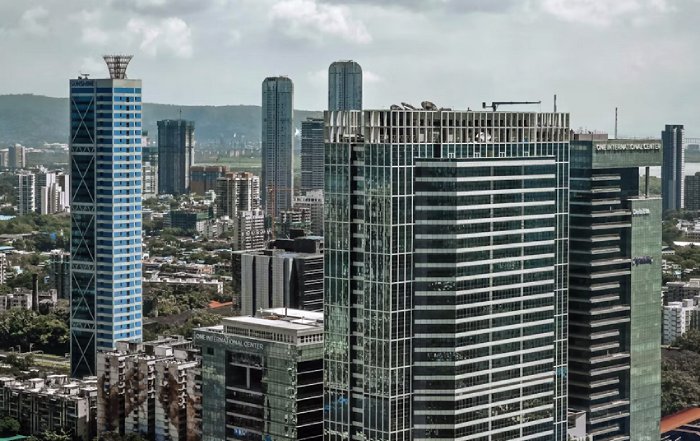
Innovation Districts and Urban Economic Development
How Innovation Districts Became the New Urban Growth Engine
Innovation districts have moved from experimental urban concepts to central pillars of economic strategy in many of the world's most dynamic cities. From Boston and London to Singapore, Berlin, and Seoul, concentrated hubs of research institutions, high-growth firms, startups, investors, and creative talent are reshaping how cities compete, how companies innovate, and how residents experience economic opportunity. These districts are no longer abstract planning ideas; they are where capital is deployed, talent is contested, and new business models are stress-tested in real time.
The concept, first articulated in detail by Brookings Institution researchers, describes dense, transit-connected urban areas where anchor institutions such as universities, hospitals, and major corporations cluster with startups, venture capital, and support organizations in a walkable ecosystem that encourages collaboration and commercialization. Readers can explore how this model has evolved by reviewing analyses from the Brookings Metropolitan Policy Program, which has tracked the rise of these districts across North America, Europe, Asia, and beyond. In 2026, innovation districts are no longer confined to a handful of global cities; they are spreading to mid-sized metropolitan areas, secondary cities, and even former industrial zones seeking to reposition themselves in the knowledge economy.
Covering global developments across business, innovation, technology, and the economy, innovation districts offer a uniquely integrated lens: they sit at the intersection of real estate, digital transformation, workforce strategy, sustainability, and public policy. Understanding how these districts function, and what distinguishes successful examples from stalled experiments, has become essential for executives, investors, founders, and policymakers navigating the next phase of urban economic development.
The Strategic Logic Behind Innovation Districts
The economic rationale for innovation districts rests on the enduring power of agglomeration, even in an era of remote work and distributed teams. Research from organizations such as the OECD has consistently shown that productivity and innovation outcomes improve when firms and talent cluster in dense urban environments, particularly when those environments are rich in knowledge-intensive activities and strong institutional anchors. Readers can review comparative data in the OECD Regional Outlook to see how metropolitan areas with higher innovation intensity have outperformed their peers in growth and resilience.
Innovation districts formalize and intensify this clustering by deliberately co-locating research, commercialization, and production capabilities, while layering in supportive infrastructure such as high-speed connectivity, flexible lab and office space, and shared amenities that attract both firms and workers. They also respond to the shift from closed, internal R&D models toward open innovation, where companies seek ideas, partnerships, and talent beyond their organizational boundaries. Reports from McKinsey & Company on the future of innovation in business highlight how proximity to diverse partners and experimental environments has become a competitive differentiator for leading firms.
For city leaders and economic development agencies, innovation districts are a way to concentrate limited resources-such as infrastructure investment, tax incentives, and regulatory flexibility-into specific geographies where they can catalyze visible, compounding impact. For investors, particularly those following stock markets and private equity, these districts create identifiable zones of opportunity where real estate, technology, and human capital reinforce each other, often driving above-market returns over the long term. For founders and high-growth companies, districts offer immediate access to talent pipelines, customers, research partners, and capital, while also providing the urban amenities and connectivity that help attract and retain skilled employees.
Global Patterns: From North America to Europe and Asia
The geography of innovation districts reflects broader shifts in the global economy. In the United States, districts such as Kendall Square in Cambridge, South Lake Union in Seattle, and Mission Bay in San Francisco have become benchmarks for integrating research, tech, and life sciences in urban settings, often in partnership with leading universities and health systems. In the United Kingdom, the King's Cross Knowledge Quarter and Manchester's innovation corridor demonstrate how infrastructure upgrades and institutional collaboration can revive former industrial or rail lands. Detailed case studies can be found through the UK Government's innovation and research hub resources that highlight national strategies for place-based innovation.
Continental Europe has seen strong momentum in countries such as Germany, France, the Netherlands, and the Nordic nations. Berlin's Adlershof science and technology park, Paris's Station F and surrounding digital ecosystem, Amsterdam's Zuidas district, and Stockholm's Kista Science City illustrate how European cities are leveraging their research strengths, transport networks, and regulatory frameworks to compete for global investment and talent. The European Commission maintains extensive data on regional innovation performance in its European Innovation Scoreboard, which underscores the correlation between concentrated innovation assets and regional competitiveness.
In Asia, the scale and ambition of innovation districts have expanded rapidly. Singapore's One-North, Seoul's Digital Media City, Shenzhen's Nanshan district, and Tokyo's Otemachi-Marunouchi area illustrate how Asian governments are blending national industrial policy with urban regeneration to create globally competitive hubs. The World Bank provides comparative insights on urbanization and innovation in East Asia that show how these districts contribute to national productivity gains and export performance. For regions such as South Korea, Japan, China, and Singapore, innovation districts are tightly integrated with broader strategies for advanced manufacturing, artificial intelligence, and green technologies.
For the readership of BizFactsDaily.com, which spans North America, Europe, Asia, and emerging markets, these global patterns underscore a key reality: whether an executive is based in Toronto, Sydney, Paris, São Paulo, or Johannesburg, innovation districts are increasingly shaping where capital flows, where high-value jobs are created, and where new ventures emerge. Coverage on global business trends and news is therefore deeply intertwined with the rise of these urban innovation ecosystems.
The Role of AI and Deep Technology
Today artificial intelligence is no longer an experimental add-on but a core driver of innovation district activity. Districts that successfully integrate AI capabilities-through research institutes, corporate labs, startups, and applied innovation centers-are gaining a measurable advantage in attracting investment, talent, and corporate partnerships. The Stanford Institute for Human-Centered Artificial Intelligence publishes an annual AI Index that tracks global AI research output, investment, and deployment, revealing how cities with strong AI clusters are pulling ahead in patenting, startup formation, and high-value employment.
For BizFactsDaily.com, which maintains dedicated up-to-date coverage on artificial intelligence and technology, the connection between AI and innovation districts is particularly salient. AI-enabled firms require access to large datasets, specialized talent, high-performance computing infrastructure, and sector-specific partners in industries such as healthcare, finance, logistics, and manufacturing. Innovation districts provide this combination in a physical environment that encourages cross-disciplinary collaboration, for example when a healthcare AI startup co-locates near a major teaching hospital, a university computer science department, and a venture fund specializing in digital health.
Deep technologies beyond AI-such as quantum computing, advanced materials, robotics, and synthetic biology-also gravitate toward innovation districts because they require sophisticated lab space, regulatory engagement, and long-term patient capital. Organizations like the World Economic Forum have highlighted the importance of innovation ecosystems for deep tech as key enablers of the so-called Fourth Industrial Revolution. For investors monitoring investment opportunities, districts with strong deep tech profiles often exhibit different risk-return dynamics than purely digital hubs, with longer development cycles but potentially transformative outcomes.
Banking, Finance, and the Capital Architecture of Innovation Districts
No innovation district can thrive without a robust financial architecture that connects entrepreneurs and growth companies to capital at different stages of their development. In leading districts, this architecture includes local angel investors, seed and early-stage venture funds, growth equity, corporate venture capital, and, increasingly, specialized debt and revenue-based financing solutions. Large financial institutions, including major banks and asset managers, are also establishing innovation-focused units and physical presences within or adjacent to these districts, seeking proximity to deal flow and emerging technologies that could reshape their own business models.
Global financial regulators such as the Bank for International Settlements have examined how innovation hubs intersect with evolving financial regulation, particularly in areas such as fintech, digital assets, and open banking. Readers can explore thematic research on innovation and the future of finance, which helps explain why banks in the United States, United Kingdom, Germany, Singapore, and other jurisdictions are increasingly active in innovation districts. For business leaders following banking and crypto developments here, understanding the spatial dimension of financial innovation is essential, as regulatory sandboxes, digital currency pilots, and new payment infrastructures are often tested in or around these districts.
As capital becomes more geographically concentrated, cities that lack vibrant innovation districts risk falling behind in the competition for both domestic and foreign investment. Conversely, cities that can demonstrate a coherent district strategy, with clear governance, strong anchors, and transparent pipelines from research to commercialization, are better positioned to attract sovereign wealth funds, pension funds, and international corporations seeking innovation-rich environments. Reports from UNCTAD on global investment trends show a growing share of foreign direct investment flowing into knowledge-intensive, urban-centered projects, many of which are effectively innovation districts in all but name.
Global Innovation Districts
Interactive Explorer
Navigate the world's leading knowledge hubs — from Kendall Square to Shenzhen's Nanshan — through data, timelines, and sector insights.
TRACING THE RISE OF INNOVATION DISTRICTS SINCE 1990
Employment, Skills, and Inclusive Growth Challenges
Innovation districts generate high-skilled employment opportunities in sectors such as software, life sciences, advanced manufacturing, and creative industries, but they also raise complex questions about inclusion, reskilling, and equitable access to opportunity. Data from the International Labour Organization on employment trends in advanced economies indicate that knowledge-intensive urban jobs have been a key driver of wage growth for highly educated workers, while many mid-skill and lower-skill workers struggle to connect to these opportunities without targeted interventions.
For the subscribers of BizFactsDaily.com, which follows employment and labor market dynamics closely, innovation districts highlight the importance of skills strategies that go beyond traditional university pathways. Leading districts are partnering with community colleges, vocational institutions, coding bootcamps, and employer-led academies to develop tailored training programs that align with the needs of local firms. They are also experimenting with apprenticeship models in tech and life sciences, as well as targeted outreach to underrepresented communities in surrounding neighborhoods.
The challenge is particularly acute in global cities such as New York, London, Paris, and Toronto, where innovation districts are often located near communities facing longstanding economic disadvantage. Without deliberate policies on workforce inclusion, affordable housing, and small business support, districts can exacerbate inequality and fuel political backlash. Organizations like The Brookings Institution and the Urban Land Institute have produced frameworks on inclusive economic development that offer practical guidance on aligning innovation with social outcomes. For business leaders, the lesson is clear: long-term success of innovation districts depends not only on commercial performance but also on how effectively they integrate broader populations into new economic opportunities.
Founders, Entrepreneurship, and the Culture of Experimentation
At the heart of every successful innovation district lies a vibrant entrepreneurial culture driven by founders who are willing to take risks, iterate rapidly, and build companies that can scale regionally and globally. For BizFactsDaily.com, which regularly profiles founders and high-growth companies, innovation districts provide a concentrated environment in which founder journeys, investor relationships, and corporate partnerships can be observed and analyzed.
Founders operating in innovation districts benefit from dense networks of peers, mentors, service providers, and potential customers. They can test ideas quickly, pivot based on feedback, and access a broader array of funding options than would be available in more dispersed environments. Yet the same density that creates opportunity also intensifies competition, raising expectations around speed of execution and quality of talent. Insights from Startup Genome on global startup ecosystems show that ecosystems with strong district-like characteristics-high connectivity, anchor institutions, and specialized sector strengths-tend to produce more scale-ups and unicorns, but they also exhibit higher failure rates among early-stage ventures.
For cities in Europe, Asia, Africa, and South America, creating a founder-friendly culture within innovation districts requires more than physical infrastructure. It involves regulatory agility, support for entrepreneurial immigration, streamlined business formation processes, and tax regimes that recognize the risk profile of startups. It also requires an openness to experimentation in areas such as crypto assets, decentralized finance, and web3 models, balanced by prudent regulation to protect investors and maintain financial stability. Business readers tracking crypto and digital asset innovation can see how certain districts, particularly in jurisdictions like Singapore and Switzerland, have used regulatory clarity to attract both traditional and crypto-native firms.
Marketing, Branding, and the Competitive Positioning of Districts
Innovation districts are not only economic structures; they are also brands competing in a crowded global marketplace for investment, talent, and corporate attention. The way a district presents itself-through its narrative, visual identity, events, and digital presence-can significantly influence perceptions among target audiences in sectors such as technology, life sciences, finance, and creative industries. For marketing professionals following marketing insights on BizFactsDaily.com, the branding of innovation districts offers a compelling case study in place marketing and experiential design.
Leading districts invest in curated events, flagship conferences, and distinctive public spaces that reinforce their identity as hubs of creativity and collaboration. They develop cohesive messaging around their sectoral strengths, quality of life, and values, such as sustainability or social inclusion. Organizations like UN-Habitat have documented how placemaking and public realm design influence economic outcomes by shaping how people use and perceive urban environments. Innovation districts that successfully integrate high-quality public spaces, cultural venues, and community programming often find it easier to attract both businesses and residents, creating a virtuous cycle of engagement and investment.
Digital storytelling is equally important. Districts that maintain sophisticated online platforms, transparent data on performance, and compelling case studies of resident companies can more effectively communicate their value proposition to global audiences. For business decision-makers evaluating potential locations for expansion or relocation, such information can be decisive. As competition intensifies, differentiation becomes critical: districts must articulate why they are uniquely suited for specific industries, whether that is AI and fintech in London, biotech in Boston, advanced manufacturing in Munich, or green technology in Copenhagen.
Sustainability, Climate Resilience, and the Green Transition
In 2026, sustainability has shifted from a peripheral consideration to a core design principle for innovation districts. With cities on the front lines of climate change, districts are increasingly expected to demonstrate leadership in low-carbon development, circular economy practices, and climate resilience. The Intergovernmental Panel on Climate Change (IPCC) and the International Energy Agency provide detailed analyses on urban emissions and mitigation pathways and clean energy transitions, which underscore the role that dense, transit-oriented innovation districts can play in reducing per-capita emissions while sustaining economic growth.
For the sustainability-focused readership of BizFactsDaily.com, which explores sustainable business strategies, innovation districts offer a tangible arena where green building standards, renewable energy integration, smart mobility, and nature-based solutions are tested and scaled. Many districts are pursuing certifications such as LEED, BREEAM, or national equivalents, while integrating district-wide energy systems, microgrids, and advanced water management. They are also incubating startups focused on clean technologies, from grid optimization and battery storage to carbon capture and sustainable materials.
However, the sustainability agenda in innovation districts goes beyond environmental performance. It encompasses social sustainability, including affordable housing, inclusive public spaces, and support for local small businesses. It also involves economic resilience, ensuring that districts can adapt to technological disruption, global shocks, and changing industry structures. Organizations such as C40 Cities share best practices on climate-smart urban development, providing templates that many districts in Europe, North America, and Asia are adopting or adapting. The most forward-looking districts are positioning themselves not just as places where innovation happens, but as living laboratories for the green and just transition.
Governance, Policy, and Long-Term Stewardship
The long-term success of innovation districts depends heavily on governance structures that can align the interests of diverse stakeholders, including municipal governments, universities, hospitals, corporations, developers, investors, and community organizations. Without clear governance and stewardship, districts risk fragmentation, short-termism, and loss of strategic direction. Research from the Lincoln Institute of Land Policy on land value, governance, and urban development highlights how institutional arrangements influence the distribution of benefits and burdens in redevelopment projects.
Many leading districts have established dedicated governance entities-such as development corporations, public-private partnerships, or non-profit management organizations-that coordinate land use, infrastructure investment, branding, and community engagement. These entities often play a crucial role in securing funding for transit, public realm improvements, and shared facilities such as incubators and innovation centers. They also help mediate complex negotiations between landowners, tenants, residents, and public agencies. For business leaders, understanding these governance models is essential when assessing risk, negotiating leases, or planning long-term investments in district locations.
National and regional policies also shape the trajectory of innovation districts. Tax incentives for R&D, intellectual property regimes, immigration policies for skilled workers, and public procurement rules can either support or hinder the growth of district ecosystems. Organizations such as the World Intellectual Property Organization (WIPO) provide comparative data on innovation and IP frameworks, which can influence where companies choose to locate research and development activities. For policymakers, the challenge is to design frameworks that encourage innovation while maintaining fair competition, protecting public interests, and ensuring that the benefits of district-driven growth are broadly shared.
What Innovation Districts Mean for the Future of Urban Business
For the global business community that turns to our expert news for analysis across business, economy, technology, and global developments, innovation districts are a powerful lens through which to understand the evolving relationship between cities and the economy. They crystallize several defining trends of the 2020s: the shift to knowledge- and innovation-driven growth, the centrality of AI and deep tech, the integration of sustainability into core business strategy, and the intensifying competition among cities and regions for talent and investment.
Executives evaluating expansion strategies must now consider not only national and regional factors but also the specific characteristics of innovation districts within target cities. Investors need to understand how district dynamics influence risk, growth potential, and exit opportunities. Founders should assess how district ecosystems can accelerate or constrain their ventures. Policymakers and civic leaders must grapple with how to design and govern districts that are both globally competitive and locally inclusive.
Today Business Facts Daily News Team will continue to track how innovation districts evolve in established hubs such as the United States, United Kingdom, Germany, Canada, Australia, France, and Japan, as well as in fast-emerging centers across Asia, Africa, South America, and the Middle East. The trajectory of these districts will shape not only urban skylines but also the structure of industries, the nature of work, and the contours of opportunity for millions of people worldwide. In that sense, innovation districts are not merely a planning trend; they are a central arena in which the future of urban economic development is being negotiated, built, and contested.
