
How Smart Sensors Improve Supply Chain Visibility
The New Nerve System of Global Commerce
Across global trade routes, from ports in Singapore to distribution centers in Germany and retail shelves in the United States, supply chains are being rewired by a quiet but profound shift: the rise of smart sensors as a real-time nervous system for physical goods. For leaders and readers of BizFactsDaily, this transformation is not simply a story about hardware; it is a fundamental redefinition of how risk is managed, how capital is allocated, and how value is created in modern business.
Smart sensors-networked devices that monitor location, temperature, humidity, shock, vibration, light, or other conditions-have moved from experimental pilots into mainstream logistics operations. Combined with cloud connectivity, edge computing, and advanced analytics, they are turning opaque, linear supply chains into transparent, data-rich networks. This evolution aligns directly with the themes that shape BizFactsDaily coverage, from artificial intelligence in operations to global economic resilience, investment, and technology-driven innovation.
From Track-and-Trace to Continuous Intelligence
Traditional supply chain visibility relied on static milestones such as barcode scans, manual updates, or periodic RFID reads. These snapshots were often delayed, incomplete, and inconsistent across partners and regions. As a result, companies struggled to answer basic questions in real time: Where is my shipment right now? In what condition is it? Will it arrive on time, and if not, why?
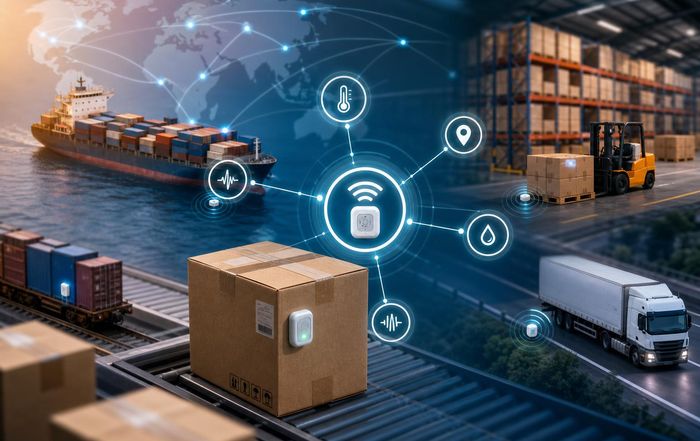
Smart sensors, embedded in pallets, containers, vehicles, and even individual products, address these gaps by streaming continuous data throughout the journey. Location sensors using GPS, cellular, or low-power wide area networks provide near-real-time position updates, while environmental sensors measure temperature, humidity, and exposure to light. Shock and vibration sensors detect rough handling or potential damage, and door or seal sensors record unauthorized access.
Organizations such as IBM, Microsoft, and Siemens have highlighted in their logistics case studies how this data enables proactive decisions rather than reactive firefighting. For example, a pharmaceutical shipment that deviates from its prescribed temperature range can trigger an automated alert, allowing a logistics team to intervene before the cargo becomes unusable. Similarly, a delay at a port can be detected early enough to reroute subsequent legs of the journey, minimizing downstream disruption.
Research from institutions like the World Economic Forum and McKinsey & Company indicates that end-to-end visibility is now considered a critical capability for resilient supply chains, especially after the disruptions caused by the pandemic, geopolitical tensions, and extreme weather events. Smart sensors are increasingly seen as the foundational layer of that visibility, providing a continuous stream of trusted data on which more advanced analytics and optimization can be built.
The Technology Stack Behind Smart Sensor Visibility
The impact of smart sensors on supply chain visibility is best understood as part of a broader technology stack that integrates the physical and digital worlds. At the device level, sensor hardware has become more energy-efficient, affordable, and versatile, with multi-sensor units capable of monitoring several variables simultaneously. Connectivity options range from 5G and LTE-M to LPWAN technologies such as LoRaWAN and Sigfox, which enable low-power, long-range communication suitable for global logistics.
On top of this device and network layer, cloud platforms from providers like Amazon Web Services, Google Cloud, and Microsoft Azure aggregate, store, and process streaming data. These platforms increasingly offer specialized services for Internet of Things (IoT) workloads, including device management, security, and analytics. Enterprises use these capabilities to integrate sensor data with their existing transportation management systems, warehouse management systems, and enterprise resource planning tools.
The real leap in value occurs when smart sensor data is combined with advanced analytics and AI-driven decision support. Machine learning models can detect anomalies in shipment behavior, forecast delays based on historical patterns and current conditions, or optimize routing to balance cost, risk, and service levels. Organizations such as DHL, Maersk, and UPS have publicly discussed the use of AI and IoT in their logistics networks, although specific performance metrics are often proprietary and not fully disclosed.
For readers of BizFactsDaily, this convergence of sensors, connectivity, cloud infrastructure, and AI represents a vivid example of how artificial intelligence and business operations are becoming inseparable. The supply chain is no longer merely a cost center; it is an intelligent, data-driven capability that can differentiate brands in competitive markets.
Enhancing Risk Management and Resilience
Supply chain risk has moved from a specialist concern to a board-level priority in leading organizations across North America, Europe, Asia, and beyond. Natural disasters, cyberattacks, port congestion, labor disputes, and regulatory changes have all exposed the fragility of global logistics networks. Smart sensors provide a powerful toolset to mitigate these risks by offering early warning, root-cause insight, and granular traceability.
In industries such as pharmaceuticals, food and beverage, and high-tech electronics, regulatory and quality requirements demand robust documentation of product conditions throughout the supply chain. Smart sensors can create a tamper-evident digital trail that shows where and when products were stored or transported, under what conditions, and whether any deviations occurred. This is especially relevant for cold chain logistics, where organizations must maintain strict temperature control to comply with authorities such as the U.S. Food and Drug Administration and the European Medicines Agency. Learn more about regulatory perspectives on supply chain quality from resources like the FDA and EMA.
By integrating sensor data with risk analytics platforms, companies can map systemic vulnerabilities and simulate the impact of disruptions. For example, a manufacturer might analyze how a port closure in one region would affect inbound components for factories in multiple countries, using sensor-based lead-time and reliability data rather than static assumptions. This type of scenario planning is increasingly recommended by advisory bodies such as the OECD and World Bank, which emphasize data-driven resilience as a cornerstone of modern trade.
For BizFactsDaily readers focused on global business dynamics, the key insight is that smart sensors transform risk from an opaque external threat into a measurable, manageable variable. This is reshaping how insurers underwrite cargo, how banks assess trade finance risk, and how investors evaluate supply chain robustness in their portfolios.
Financial and Banking Implications of Real-Time Visibility
The spread of smart sensors across supply chains is also influencing banking and finance. Traditional trade finance instruments, such as letters of credit and documentary collections, rely heavily on paperwork and delayed confirmations. As real-time sensor data becomes more trusted and standardized, it is opening the door to more dynamic, data-driven financing models.
Some financial institutions and fintech firms are exploring how IoT data can support inventory financing, receivables financing, or supply chain finance programs. For example, if a bank can verify through sensor data that goods are in transit, in good condition, and on schedule to reach a verified buyer, it may be more comfortable extending working capital to the supplier at favorable terms. While specific commercial implementations vary and are often confidential, industry groups such as the International Chamber of Commerce and BAFT have published discussions on the potential of IoT and digital trade documentation to modernize trade finance. Interested readers can explore further through resources like the ICC and World Trade Organization.
This evolution is particularly relevant for emerging markets in Africa, Asia, and South America, where smaller firms often struggle to access affordable financing due to perceived risk and limited transparency. Smart sensors, when combined with digital identity and secure data sharing, could help bridge this gap by providing objective, real-time evidence of physical trade flows. For investors and analysts following stock markets and global capital flows, this convergence of IoT and finance may become a significant theme over the coming decade.
Smart Sensors, AI, and Predictive Supply Chains
The most advanced supply chains are moving beyond visibility toward prediction and autonomous response. Smart sensors provide the raw material for this shift, while AI and machine learning turn data into foresight. In practice, this means that companies can anticipate problems before they fully materialize and adjust operations dynamically.
By feeding sensor data into predictive models, organizations can estimate arrival times more accurately than with traditional schedule-based methods. This is particularly important for complex multimodal routes that span ocean, air, road, and rail, where delays at one leg can cascade across the network. Companies such as Google and Amazon have publicly described their use of machine learning to improve logistics forecasts, and logistics providers are increasingly offering predictive ETA services to their customers. Learn more about advances in AI-driven logistics forecasting from sources like MIT Center for Transportation & Logistics and Gartner.
Beyond forecasting, smart sensors enable automated responses. For example, if a sensor detects that a refrigerated container is warming beyond its limit, the system can automatically notify the nearest service partner, adjust cooling settings remotely when possible, or reroute the shipment to a closer facility. These closed-loop control systems are still evolving, and their maturity varies significantly across industries and regions, but early deployments show promising improvements in service reliability and waste reduction.
For BizFactsDaily, this intersection of artificial intelligence and operational technology illustrates how AI is moving out of the lab and into the physical world, blending data science with traditional engineering and logistics expertise. It also underscores the importance of trustworthy data; predictive models are only as good as the sensor inputs on which they rely, which places a premium on device quality, calibration, and cybersecurity.
Impact on Employment, Skills, and Organizational Culture
As smart sensors and intelligent visibility platforms spread, they are reshaping roles and skills across logistics, manufacturing, and retail. Rather than eliminating jobs outright, the technology is changing the nature of work, shifting emphasis from manual tracking and firefighting to analysis, exception management, and continuous improvement.
Operations planners, for example, increasingly need to interpret real-time dashboards, understand data quality issues, and collaborate closely with IT and data science teams. Warehouse and transport managers must become comfortable with digital tools, mobile applications, and automated alert systems. At the same time, new roles are emerging in IoT device management, data engineering, and supply chain analytics.
Organizations that invest in training and change management are more likely to realize the full benefits of smart sensors. Reports from bodies such as the International Labour Organization and World Economic Forum suggest that digital upskilling is a critical factor in ensuring that technology adoption leads to higher productivity and better job quality, rather than displacement and frustration. For readers interested in employment trends and workforce transformation, the spread of sensor-enabled visibility offers a concrete example of how digital tools can augment human expertise when deployed thoughtfully.
Culturally, smart sensors encourage a more collaborative, data-driven mindset across the supply chain. Because visibility data often spans multiple partners-manufacturers, logistics providers, carriers, and retailers-organizations must negotiate data-sharing agreements, align on standards, and build trust. This can be challenging, particularly when competitive sensitivities are involved, but many industry consortia and standards bodies, including GS1 and the Industrial Internet Consortium, are working to define interoperable frameworks. Learn more about data standards and interoperability from GS1 and the IIC.
Sustainability, Circularity, and Ethical Supply Chains
Sustainability is increasingly central to business strategy across Europe, North America, Asia, and other regions, and smart sensors play a pivotal role in making environmental and social performance measurable. Accurate, real-time visibility into asset utilization, energy consumption, and waste is essential for organizations seeking to reduce emissions, comply with regulations, and meet stakeholder expectations.
For instance, route optimization based on sensor data can reduce fuel consumption and associated greenhouse gas emissions, supporting corporate climate targets and compliance with frameworks such as the Paris Agreement. Monitoring temperature and humidity in perishable goods supply chains can significantly cut food waste, a critical objective highlighted by organizations like the Food and Agriculture Organization of the United Nations. Readers can explore broader sustainability trends through resources like the UN Environment Programme and World Resources Institute.
Smart sensors also support the growth of the circular economy by tracking assets such as reusable containers, pallets, and equipment. By knowing where these assets are, how often they are used, and in what condition, companies can design more efficient reuse and refurbishment loops, reducing the need for new materials. This aligns closely with the themes explored on BizFactsDaily's sustainability coverage, where visibility and measurement are recognized as prerequisites for credible environmental claims and impact.
On the social side, sensors and digital tracking can enhance transparency around working conditions and ethical sourcing, although this area remains complex. For example, geolocation and timestamp data can help verify that goods were produced or processed in approved facilities, while integration with certification schemes can strengthen due diligence. However, experts caution that technology alone cannot solve deep-rooted labor and human rights issues; it must be accompanied by robust governance, independent audits, and meaningful stakeholder engagement.
Integration with Crypto, Blockchain, and Digital Identity
As sensor-enabled visibility grows, many organizations are exploring how to combine physical data with digital trust technologies such as blockchain and decentralized identity. The idea is to create tamper-resistant records of supply chain events, anchored in cryptographic proofs, to reduce fraud, counterfeiting, and disputes.
Several pilot projects and consortia have tested blockchain-based platforms for tracking goods, particularly in high-value sectors like luxury, pharmaceuticals, and aerospace. Smart sensors provide the physical-world inputs, while distributed ledgers provide a shared, append-only record of those inputs. Industry observers, including analysts at Forrester and Deloitte, note that while enthusiasm for blockchain in supply chains has moderated from early hype, practical applications are emerging where multiple parties need a common, auditable record. Readers interested in the intersection of crypto, digital assets, and real-world logistics can follow developments through resources like Enterprise Ethereum Alliance and Hyperledger.
The combination of sensors, blockchain, and digital identity also raises important questions about data ownership, privacy, and governance. Who controls the data generated by a sensor on a shared container? How is consent managed across borders and legal regimes? These issues are actively debated among regulators, industry groups, and civil society organizations, and there is not yet a single global standard. However, the direction of travel is clear: trusted, verifiable data will become a strategic asset in supply chains, and organizations that can manage it responsibly will enjoy a competitive advantage.
Strategic Considerations for Leaders and Founders
For executives, founders, and investors who follow BizFactsDaily, the question is no longer whether smart sensors will shape supply chain visibility, but how to integrate them into a coherent strategy. The technology landscape is crowded, with numerous device manufacturers, connectivity providers, platform vendors, and integrators offering overlapping solutions. Making sound decisions requires a clear understanding of business priorities, risk appetite, and organizational readiness.
A practical approach begins with identifying high-value use cases where visibility gaps create significant cost, risk, or customer dissatisfaction. For some companies, this may be cold chain compliance; for others, it may be theft prevention, asset utilization, or premium customer services. Once priorities are clear, leaders can evaluate sensor technologies, platforms, and partners that best align with those needs, while ensuring that data governance, cybersecurity, and interoperability are addressed from the outset.
It is also important to recognize that smart sensor deployments are not purely technical projects; they are change initiatives that affect processes, roles, and culture. Successful implementations often involve cross-functional teams spanning operations, IT, procurement, finance, and sustainability, as well as close collaboration with external logistics partners. For founders building new ventures in logistics technology or industrial IoT, this complexity represents both a challenge and an opportunity: those who can simplify integration and deliver measurable business outcomes will be well positioned in the market. Readers can explore broader founder and innovation stories through BizFactsDaily's coverage of entrepreneurs and emerging business models.
From an investment perspective, sensor-enabled visibility is part of a broader digital infrastructure theme that spans cloud, edge computing, AI, and cybersecurity. Analysts at firms such as McKinsey, BCG, and Accenture have highlighted IoT and supply chain digitization as long-term structural growth areas, though they also caution that adoption can be uneven across sectors and geographies. Investors tracking technology and innovation trends will likely continue to watch how sensor-based solutions scale in markets such as North America, Europe, and Asia-Pacific, as well as how regulatory developments, trade policies, and climate commitments influence demand.
The Road Ahead: Toward Fully Transparent, Adaptive Supply Networks
Looking forward, the trajectory of smart sensors in supply chains points toward increasingly granular, automated, and integrated visibility. Advances in low-power electronics, energy harvesting, and miniaturization will enable sensors to be embedded in more assets and products, including items that were previously too small or low-margin to justify tagging. 5G and future connectivity standards promise higher bandwidth and lower latency, facilitating richer data streams such as continuous condition monitoring and video analytics in some environments.
At the same time, AI techniques such as reinforcement learning and digital twins are likely to deepen the integration between sensor data and decision-making. Digital twins-virtual models of physical supply chains-can be continuously updated with sensor inputs, allowing organizations to simulate scenarios, test interventions, and optimize performance in a risk-free environment. Research centers like Fraunhofer Institute and TU Delft are actively exploring such concepts in industrial and logistics applications.
However, the journey toward fully transparent, adaptive supply networks is not without challenges. Cybersecurity threats, including attacks on IoT devices and data streams, are a growing concern, and regulators are beginning to impose stricter requirements on device security and data protection. Interoperability remains a hurdle as proprietary systems and standards compete. And in many regions, infrastructure limitations, skills gaps, and investment constraints slow adoption.
Despite these obstacles, the direction is clear. For businesses in the United States, Europe, Asia, Africa, and beyond, smart sensors are becoming an essential tool for navigating an increasingly volatile and interconnected world. They provide the factual foundation on which resilient, sustainable, and customer-centric supply chains can be built, aligning with the core themes that BizFactsDaily brings to its audience: credible insight, actionable intelligence, and a focus on how technology can drive positive, real-world outcomes.
As companies, policymakers, and innovators continue to refine the technologies and governance models that underpin sensor-enabled visibility, the global economy moves closer to a future in which physical flows of goods are as transparent and analyzable as digital information has become. In that future, the organizations that succeed will be those that treat visibility not as a one-time project, but as an ongoing capability-continuously improved, strategically leveraged, and deeply integrated into how they create value in a complex and dynamic world.
