
Technological Breakthroughs in Renewable Energy: How Innovation Is Reshaping the Global Economy
The Strategic Importance of Renewable Energy
Renewable energy has shifted from a niche environmental concern to a central pillar of global economic and industrial strategy, and for the editorial team here, this transition is no longer a story about distant climate targets but a real-time narrative about competitiveness, capital allocation, energy security, and long-term value creation. Across the United States, Europe, and Asia, and increasingly in emerging markets in Africa and South America, senior executives and policymakers are aligning around the reality that the cost and performance curves of clean technologies are now reshaping entire value chains, influencing corporate balance sheets, national trade positions, and investment flows in ways that are both profound and irreversible. As institutions and investors examine the latest data from organizations such as the International Energy Agency and the International Renewable Energy Agency, they see that renewables have become the leading source of new power capacity worldwide, and that the combination of technological breakthroughs, policy support, and private capital is accelerating this shift far faster than many forecasts from a decade ago had anticipated, a trend that can be further explored through up-to-date macro perspectives on the global economy.
This transformation is not occurring in isolation; it is tightly interwoven with advances in digital technology, artificial intelligence, and financial innovation that are redefining how energy is produced, traded, stored, and consumed across advanced economies such as the United States, Germany, and Japan, as well as fast-growing markets like India, Brazil, and South Africa. For readers of BizFactsDaily.com who operate in sectors from banking and asset management to manufacturing and technology, understanding the current wave of renewable energy breakthroughs is not simply a matter of environmental stewardship but a prerequisite for strategic decision-making, risk management, and opportunity identification in an increasingly decarbonized and digitalized global marketplace, where insights from the broader business landscape provide essential context.
Solar Power: From Cost Declines to Next-Generation Technologies
Solar photovoltaics have been at the heart of the renewable revolution for more than a decade, but by 2026 the discussion has moved well beyond simple cost declines toward a new phase defined by material science, system integration, and grid-level optimization. Reports from the International Energy Agency show that solar PV remains the cheapest source of new electricity in many regions, yet what is most striking now is how rapidly technologies such as perovskite solar cells, tandem architectures, and bifacial modules are moving from laboratory prototypes to commercial deployment. Research institutions and companies across the United States, the United Kingdom, Germany, and China are racing to push conversion efficiencies beyond the limits of conventional silicon, with several pilot projects already demonstrating tandem cells that exceed 30 percent efficiency under real-world conditions; readers interested in the broader technological context can explore how these advances intersect with developments in technology and innovation.
At the same time, solar is becoming more versatile in its applications, expanding from utility-scale fields into building-integrated photovoltaics, agrivoltaics that combine farming and energy production, and floating solar installations on reservoirs and former mining pits. Organizations such as the National Renewable Energy Laboratory in the United States provide detailed technical assessments and performance data that guide investors and developers seeking to understand the bankability and risk profile of these emerging formats, and those who wish to delve deeper into the technical underpinnings can learn more about solar research and development. For business leaders in Europe, Asia, and North America, the key takeaway is that solar is no longer a monolithic technology but a diversified platform, and that the winners in this space will be those who can combine advanced materials, smart inverters, digital monitoring, and innovative financing models to create integrated solutions tailored to specific markets and regulatory environments.
Wind Energy: Larger Turbines, Offshore Expansion, and Digital Optimization
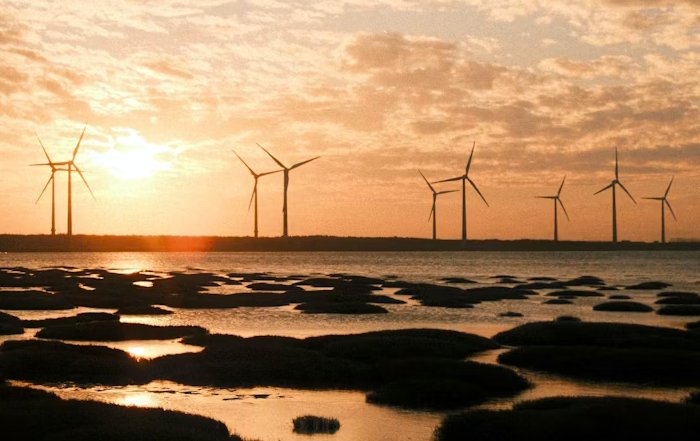
Wind power has also undergone a dramatic transformation, particularly in the offshore segment where the scale of turbines and the complexity of projects now rival the largest conventional power plants. In 2026, leading manufacturers such as Vestas, Siemens Gamesa, and GE Vernova are deploying turbines exceeding 15 megawatts, with rotor diameters that would have seemed implausible a decade ago, enabling fewer turbines to generate more power and reducing the levelized cost of electricity in markets from the North Sea to the coast of China. According to data from the Global Wind Energy Council, installed wind capacity continues to grow strongly not only in established markets like the United States and Germany but also in emerging hubs such as Brazil, South Africa, and Vietnam, where governments recognize the dual benefits of clean energy and industrial development; detailed market statistics and regional trends can be accessed through the GWEC's market intelligence resources.
The frontier of innovation in wind is increasingly digital, as operators integrate advanced condition monitoring, predictive maintenance, and AI-driven performance optimization to maximize output and extend asset lifetimes. Companies are deploying sensors and analytics platforms that monitor vibration, temperature, and power curves in real time, feeding data into machine learning models that can detect anomalies before they lead to costly downtime, and this trend is tightly linked with the broader rise of artificial intelligence in industry. In offshore wind, floating platforms are opening deep-water locations off the coasts of countries such as Japan, Norway, and the United States, where fixed-bottom foundations were previously unfeasible, and while these projects still carry higher capital costs and technical risks, ongoing innovation in mooring systems, materials, and installation techniques is steadily improving their economic case, supported by regulatory frameworks and auction schemes that aim to balance investor returns with consumer affordability.
Energy Storage: The Critical Enabler of Renewable Integration
As the share of variable renewables rises, energy storage has become the critical enabler of grid stability, and in 2026 the field is evolving far beyond conventional lithium-ion batteries. Grid operators in regions such as California, Texas, Germany, and Australia have already experienced the challenges of managing high penetrations of solar and wind, and they are turning to a combination of short-duration and long-duration storage solutions to smooth fluctuations and provide essential ancillary services. The U.S. Department of Energy tracks a diverse portfolio of storage technologies, including flow batteries, compressed air, pumped hydro, thermal storage, and emerging long-duration chemistries, and its energy storage initiatives offer valuable insight into cost trajectories and performance benchmarks that inform both public and private investment decisions.
In parallel, the economics of large-scale battery projects are improving as manufacturing capacity expands in the United States, Europe, and Asia, driven by companies like CATL, LG Energy Solution, and Tesla, which are deploying gigafactories and innovating in battery chemistries and manufacturing processes. While lithium-ion remains dominant for now, concerns about raw material supply chains, particularly for cobalt, nickel, and lithium, are accelerating research into sodium-ion and other alternative chemistries that may provide lower-cost and more sustainable options for stationary storage. Investors following these developments through platforms focused on investment trends are increasingly aware that energy storage is not a single asset class but a diversified ecosystem, where revenue streams can include energy arbitrage, frequency regulation, capacity payments, and resilience services for commercial and industrial customers seeking protection against grid outages and price volatility.
Smart Grids, Digitalization, and the Role of Artificial Intelligence
The rapid deployment of renewable generation and storage is forcing a fundamental rethinking of grid architecture, moving from centralized, one-way power flows to decentralized, dynamic, and data-driven networks. In 2026, utilities and grid operators across North America, Europe, and Asia are investing heavily in smart meters, advanced distribution management systems, and digital substations that enable more granular monitoring and control of electricity flows, a trend that is particularly evident in countries such as the United States, the United Kingdom, Germany, and Singapore. The European Network of Transmission System Operators for Electricity provides detailed analyses on grid integration, congestion management, and cross-border interconnections that illustrate how digital tools are now essential to balancing increasingly complex systems, and its market reports and grid studies are widely used by policymakers and corporate strategists seeking to understand evolving regulatory and market structures.
Artificial intelligence is playing a decisive role in this transformation, enabling predictive load forecasting, automated fault detection, and real-time optimization of distributed energy resources. Companies and utilities are deploying AI algorithms to manage virtual power plants that aggregate rooftop solar, home batteries, electric vehicles, and flexible industrial loads into dispatchable resources, creating new business models and revenue streams at the edge of the grid. For readers of BizFactsDaily.com, this convergence of energy and digital technology is a natural extension of broader trends in innovation and AI, and it raises important strategic questions about data ownership, cybersecurity, regulatory oversight, and the role of traditional utilities versus new entrants such as technology firms and aggregators that are increasingly active in electricity markets from California and Texas to Germany and Australia.
Green Hydrogen and Power-to-X: Extending Decarbonization Beyond the Grid
While power systems are decarbonizing rapidly, sectors such as heavy industry, aviation, shipping, and long-haul road transport remain difficult to electrify directly, particularly in regions with energy-intensive manufacturing such as Germany, China, South Korea, and Japan. In this context, green hydrogen produced from renewable electricity via electrolysis has emerged as a critical vector for extending decarbonization into these hard-to-abate sectors, and by 2026 a growing number of large-scale projects are moving from announcement to construction across Europe, North America, the Middle East, and Australia. The International Renewable Energy Agency has published detailed roadmaps and cost analyses that show how declining renewable electricity prices and economies of scale in electrolyzer manufacturing could make green hydrogen increasingly competitive, and its hydrogen reports are closely followed by energy companies, industrial players, and financial institutions assessing long-term opportunities.
Power-to-X pathways, which convert renewable electricity into hydrogen, ammonia, synthetic fuels, and other chemicals, are attracting significant interest from companies in the chemical, steel, and shipping industries, particularly in countries such as Germany, the Netherlands, Japan, and South Korea that have strong industrial bases and limited domestic fossil resources. Organizations like the Hydrogen Council, a global CEO-led initiative, provide high-level insights into investment pipelines, policy frameworks, and technology maturity across regions, and its industry reports help corporate leaders evaluate how and when to integrate hydrogen into their decarbonization strategies. For the BizFactsDaily.com audience, the key strategic question is not whether green hydrogen will play a role, but where along the value chain-from renewable generation and electrolyzer production to storage, transport, and end-use applications-value is most likely to accrue, and how that may differ across markets in Europe, Asia, North America, and emerging economies.
Finance, Banking, and the Changing Cost of Capital for Renewables
The financial architecture underpinning the energy system is being reshaped by both policy and market forces, and by 2026 renewable energy projects in many regions enjoy a lower cost of capital than new fossil fuel investments, reflecting lower technology risk, strong policy support, and growing investor appetite for sustainable assets. Large banks such as HSBC, BNP Paribas, JPMorgan Chase, and Deutsche Bank have expanded their sustainable finance commitments, integrating climate risk into lending decisions and developing green bonds, sustainability-linked loans, and project finance structures tailored to renewable infrastructure. For readers interested in how these shifts are affecting the broader financial sector, the analysis of trends in banking and capital markets provides important context regarding regulatory developments, disclosure standards, and investor expectations.
Multilateral institutions and development banks, including the World Bank and regional entities such as the European Investment Bank, are playing a pivotal role in de-risking renewable investments in emerging markets, where currency risk, political uncertainty, and underdeveloped regulatory frameworks can still deter private capital. The World Bank's climate and energy portfolio offers a window into how blended finance, guarantees, and technical assistance are being used to catalyze private investment in countries across Africa, Asia, and Latin America, while also supporting grid modernization and policy reform. For institutional investors, from pension funds in Canada and the Netherlands to sovereign wealth funds in Norway and the Middle East, renewable energy has become a core infrastructure allocation, offering long-term, inflation-linked cash flows that align well with liabilities, and this trend is reshaping global capital flows in ways that directly impact corporate strategy, national energy planning, and employment patterns across multiple regions, topics that intersect with the broader coverage of global business dynamics.
Employment, Skills, and the New Energy Workforce
The rapid expansion of renewable energy is creating significant employment opportunities across engineering, construction, operations, maintenance, manufacturing, and digital services, yet it is also driving a complex workforce transition, particularly in regions historically dependent on coal, oil, and gas. The International Labour Organization and the International Energy Agency have both highlighted that the net employment impact of the energy transition is positive at the global level, but that regional and sectoral dislocations can be severe if not managed proactively, and their joint employment and energy transition analyses provide important guidance for policymakers and corporate leaders seeking to design just transition strategies. Countries such as Germany, Canada, and Spain are implementing retraining programs and regional development initiatives aimed at supporting workers in legacy energy sectors, while simultaneously investing in education and vocational training to build the skills required for solar, wind, storage, hydrogen, and grid digitalization.
For businesses and founders in the renewable energy ecosystem, talent strategy is becoming a critical competitive differentiator, as demand for specialized skills in power electronics, data science, project finance, and regulatory affairs outstrips supply in many markets. Readers of BizFactsDaily.com who follow trends in employment and labor markets will recognize that this is part of a broader shift toward green and digital jobs, with implications for wage structures, geographic clustering of industries, and corporate diversity and inclusion strategies. Startups and established companies alike are increasingly partnering with universities, technical institutes, and training providers to develop tailored curricula and apprenticeship programs, particularly in regions such as the United States, the United Kingdom, Australia, and Singapore, where governments are actively promoting clean energy innovation and workforce development as pillars of national competitiveness.
Founders, Startups, and the Innovation Ecosystem
Behind many of the most significant technological breakthroughs in renewable energy are founders and entrepreneurial teams who are willing to pursue high-risk, high-impact innovations at the intersection of hardware, software, and finance. In 2026, venture capital and growth equity investors are increasingly active in climate and energy technology, backing startups that range from advanced materials for solar and batteries to AI-driven grid software, long-duration storage, and novel hydrogen production pathways. Regions such as Silicon Valley, Berlin, Stockholm, London, Singapore, and Sydney have become hubs for clean energy entrepreneurship, supported by accelerators, incubators, and corporate venture arms that provide not only capital but also access to industrial partners, pilot sites, and global markets, and readers can explore profiles of leading innovators and their journeys through BizFactsDaily.com's focus on founders and entrepreneurship.
However, scaling energy technologies from laboratory proof-of-concept to commercial deployment often requires capital intensity and time horizons that differ markedly from traditional software ventures, and this reality has prompted new funding models involving public-private partnerships, infrastructure funds, and strategic investments from large industrial players and utilities. Organizations such as Breakthrough Energy, founded by Bill Gates, have created specialized vehicles that blend philanthropic, public, and private capital to support high-potential but technically risky projects, and their investment initiatives illustrate how mission-driven capital can complement traditional market-based financing. For business leaders and investors following these developments through BizFactsDaily.com, the central insight is that the renewable energy innovation ecosystem is becoming more sophisticated and multi-layered, requiring careful assessment of technology readiness, regulatory risk, and commercialization pathways across different geographies and sectors.
Policy, Regulation, and Global Competition
Policy remains a decisive driver of renewable energy deployment, and in 2026 the global landscape is characterized by both cooperation and competition as countries seek to attract investment, secure supply chains, and strengthen their industrial bases. The United States has implemented substantial incentives for clean energy manufacturing, grid modernization, and deployment, while the European Union continues to refine its Green Deal policies and carbon pricing mechanisms, and countries such as China, India, and Brazil are advancing their own frameworks to support domestic industries and meet climate commitments. The United Nations Framework Convention on Climate Change provides an overarching forum for global coordination, and its climate negotiations and agreements shape the long-term direction of national pledges and corporate strategies, even as short-term policy volatility in some markets creates uncertainty for investors and developers.
Trade policy and industrial strategy are becoming increasingly intertwined with renewable energy, as governments in the United States, the European Union, and other regions implement measures related to local content, supply chain security, and technology transfer. This dynamic is particularly visible in solar manufacturing, battery supply chains, and critical minerals such as lithium, cobalt, and rare earth elements, where concerns about concentration of production in specific countries are prompting efforts to diversify sources and build regional manufacturing capacity. For executives and investors tracking these trends, the coverage of global business and geopolitical developments on BizFactsDaily.com provides essential context, highlighting how shifts in trade policy, sanctions, and industrial subsidies can influence project economics, corporate strategy, and cross-border investment flows in renewable energy and related sectors.
Integrating Renewable Energy into Broader Corporate and Investment Strategy
For the business audience the overarching message of these technological breakthroughs is that renewable energy is no longer a peripheral issue but an integral component of corporate strategy, capital allocation, and risk management across industries and geographies. Companies in sectors as diverse as manufacturing, technology, retail, banking, and logistics are entering long-term power purchase agreements, investing directly in renewable projects, or partnering with developers to secure stable, low-carbon energy supplies that support both cost competitiveness and decarbonization commitments. Asset managers and institutional investors are integrating climate and energy transition scenarios into their portfolio construction and risk models, using tools and frameworks developed by organizations such as the Task Force on Climate-related Financial Disclosures, whose recommendations have become a global reference point for climate-related financial reporting.
At the same time, markets for green financial instruments, voluntary carbon credits, and sustainability-linked products continue to evolve, creating both opportunities and complexities for issuers and investors. For those following developments in stock markets and capital markets, the growing prominence of renewable energy companies, clean infrastructure funds, and climate-focused exchange-traded funds is a clear signal that the transition is being priced into financial markets, even as debates continue about valuation levels, policy risk, and the credibility of corporate transition plans. As the Business News and Facts Team continues to analyze these intersecting trends across energy, technology, finance, and employment, its editorial perspective emphasizes not only the technological and economic dimensions of renewable breakthroughs but also the importance of governance, transparency, and long-term strategic thinking in building resilient and trustworthy business models that can thrive in a decarbonizing global economy, with dedicated coverage of sustainable business strategies and their implications for leaders on every continent.
